Whether you’re restoring a riverbank or tending a garden, we invite you into the Understory.
2026 Plant List
Availability changes throughout the growing season. Contact us about current plants.
-
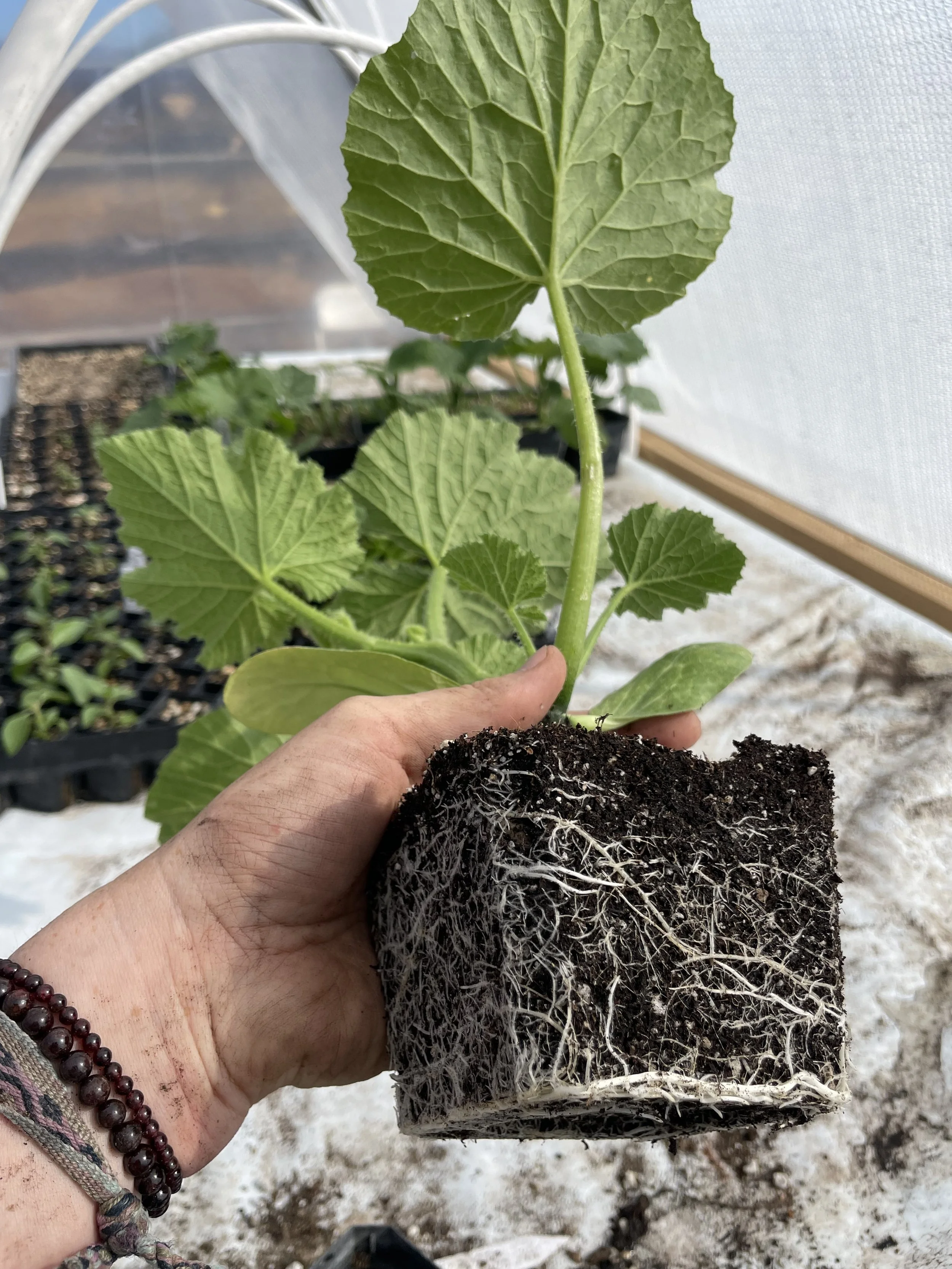
We work to provide strong, resilient plants that establish well where they are planted.
Available in 2026:
Pale Evening Primrose — $10
Oenothera Pallida
A native wildflower adapted to dry, disturbed soils and sunny conditions. Its fragrant silky white flowers open in the evening, providing nectar for moths and other pollinators. Forms a deep taproot, helping it thrive in dry climates.Winterfat — $10 Krascheninnikovia lanata A hardy native shrub adapted to dry, open landscapes. Its silvery foliage provides year-round texture and valuable habitat and forage for wildlife.
Showy Milkweed — $10 Asclepias speciosa Native perennial with large pink flower clusters that support monarchs and other pollinators. Well suited to sunny gardens and restoration plantings.
Desert Bluebells — $8
Phacelia campanularia
A wildflower with vivid purple-blue blooms native to the Sonoran and Mojave deserts. Adapted to full sun and well-drained soils, it needs little water once established and readily reseeds where it is happy.Coreopsis — $10
Coreopsis tinctoria + Coreopsis lanceolata
Native wildflowers adapted to intense sun, heat, and local soil conditions. Includes both annual and perennial species for quick color and long-term support of native pollinators.Cota “Navajo Tea / Hopi Tea” — $8
Thelesperma spp.
Native Southwestern wildflower with bright yellow flowers that attract native bees and butterflies. Drought tolerant, easy to grow, and traditionally used as a tea. Excellent for water-wise gardens.Available in 2027:
Wildflowers
Pale Evening Primrose (Oenothera pallida)
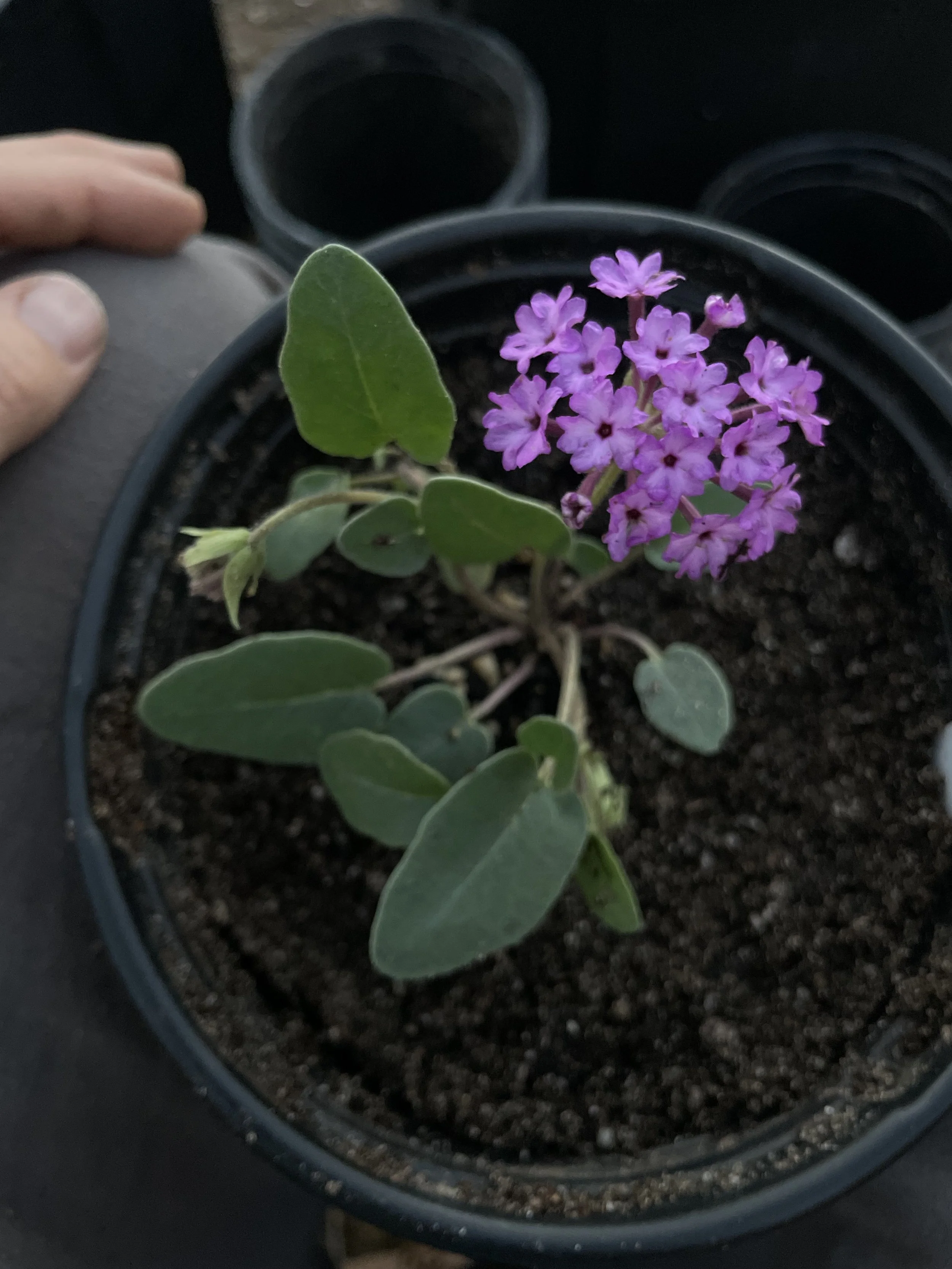
Sand Verbenas (Abronia spp.)
Globemallow (Sphaeralcea spp.)
Penstemon varieties (Penstemon spp.)
Showy Milkweed (Asclepias speciosa)
Sand Dock (Rumex venosus)
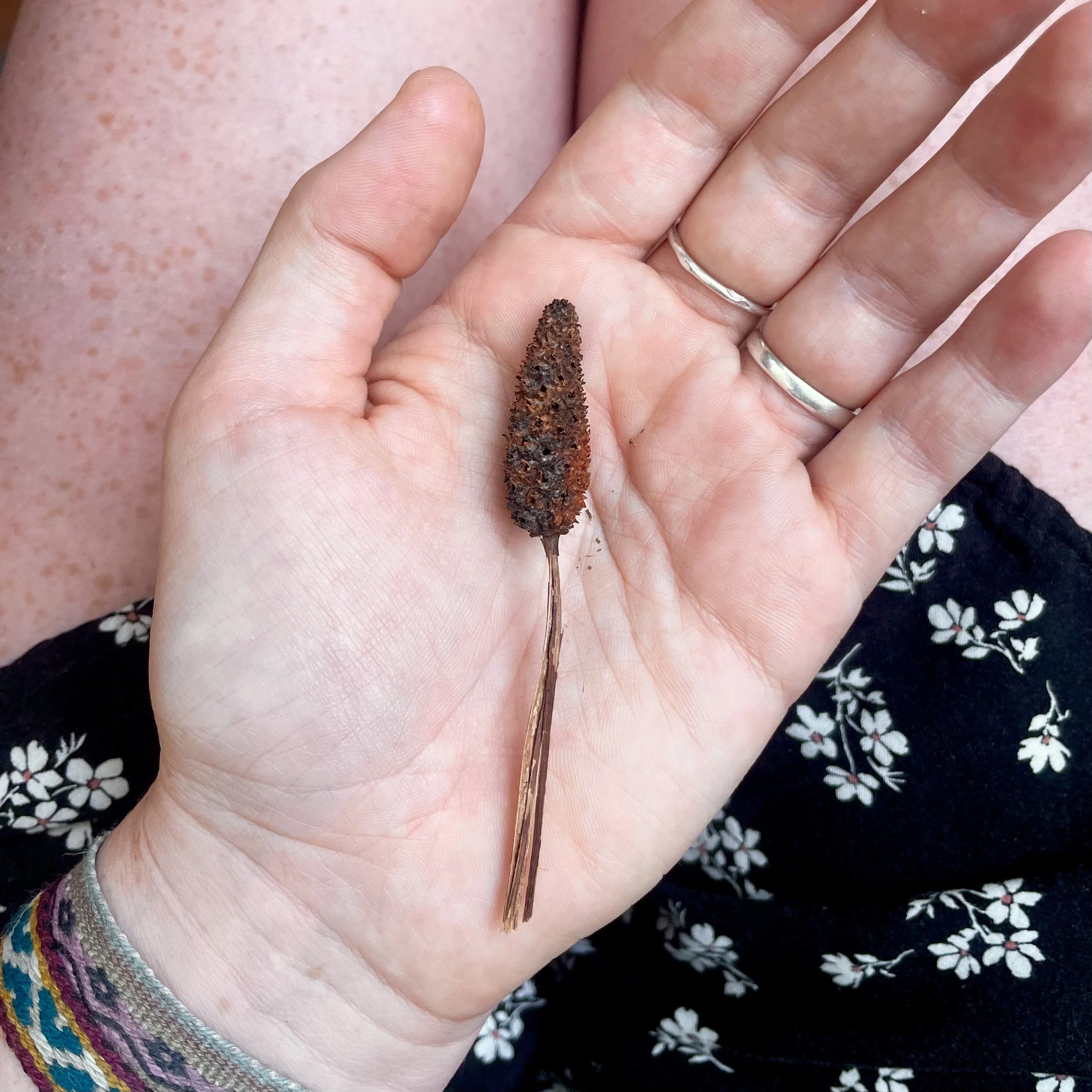
Yerba Mansa (Anemopsis californica)
Shrubs & Trees
Chokecherry (Prunus virginiana
Wild Plum (Prunus americana)
Soaptree Yucca (Yucca elata)
Native Grasses
Indian Ricegrass (Achnatherum hymenoides)
Sideoats Grama (Bouteloua curtipendula)
Blue Grama (Bouteloua gracilis)
and more!
-
Heirloom & Quelites
San Juan Cushaw — $8
Cucurbita argyrosperma
A Southwestern heirloom squash pollinated by native squash bees. Produces large fruits that store well through the winter and carries a long history of cultivation in the Upper Rio Grande region.Sugar Baby Watermelon — $8
Citrullus lanatus 'Sugar Baby'
A compact watermelon grown for its sweet summer fruits. Its flowers support pollinators, and the vines are well suited to warm gardens with plenty of sun.Papalo “Summer Cilantro” — $10
Porophyllum ruderal
A heat-loving culinary herb traditionally grown in Mexico and parts of Central and South America since the time of the Aztecs. Known for its bold, distinctive flavor, it thrives in hot summer conditions when many other herbs struggle.Medicinal & Tea Herbs
Ashwagandha — $8
Withania somnifera
Native to arid and semi-arid regions of Africa, the Middle East, and South Asia. Well adapted to heat and poor soils, it is a resilient addition to water-wise gardens and has traditionally been cultivated for its medicinal roots.Chamomile — $8
Matricaria chamomilla
Self-seeding, blooms through summer and often into fall, attracting small native bees and other beneficial insects. Used for tea and herbal preparations for all ages.Calendula — $10
Calendula officinalis
Bright blooms all summer, feeding honeybees, native bees, lacewings, and other beneficial insects. Used for skin-soothing salves and oils, edible petals, and natural dye.Tulsi “Holy Basil” — $8
Ocimum africanum
Compared to the more commonly grown holy basil, this species is especially heat and drought tolerant once established. It produces aromatic leaves and flowers throughout the season, both of which can be harvested for tea while continuing to support pollinators. In the right conditions, it readily reseeds itself and can return year after year.
Our nursery offers plant starts attuned to the river valleys and uplands of the Upper Rio Grande Watershed, along with select medicinal and food crops suited to dryland conditions.
We grow from seed gathered from locally adapted ecotypes and trusted seed-saving networks. We gather responsibly and never from rare or endangered species.
We’ll see you at the Taos Farmers Market May-August 2027.
Get in Touch
Interested in specific plants for a garden or restoration project? I'd love to hear from you.